
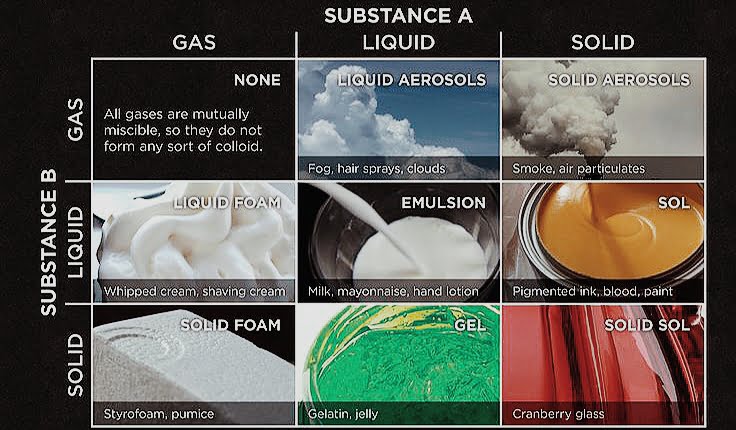
Colloids and it’s Classification
Colloids :- A Colloid is a heterogeneous system in which one substance is dispersed ( dispersed phase ) as very […]
Colloids :- A Colloid is a heterogeneous system in which one substance is dispersed ( dispersed phase ) as very […]
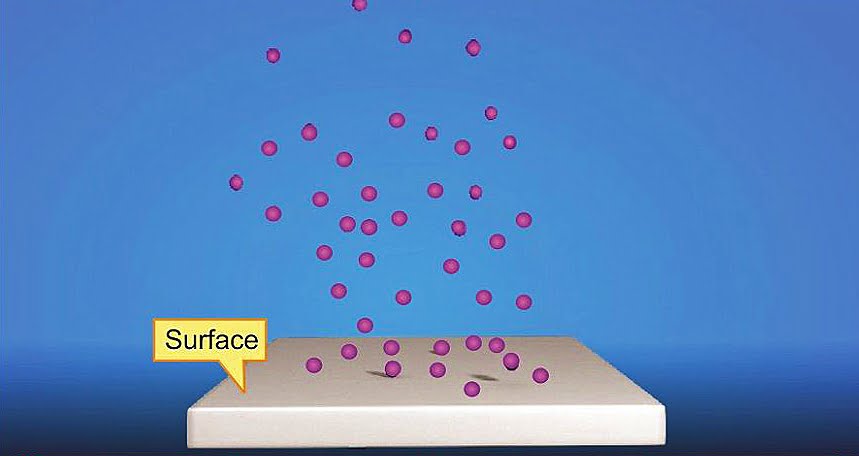
Adsorption :- Adsorption is defined as the deposition of molecular species onto the surface . The molecular species that gets
Adsorption and it’s Types , Catalysis and Catalysts Read Post »
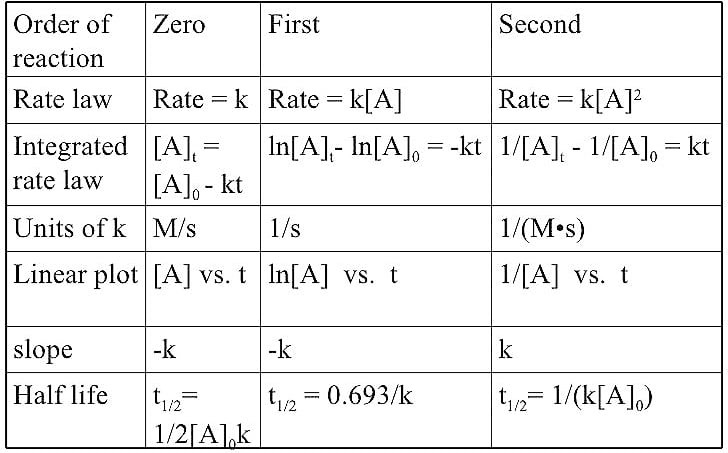
Order of Reaction :- The sum of powers of concentration of the reactants in the rate expression is called the
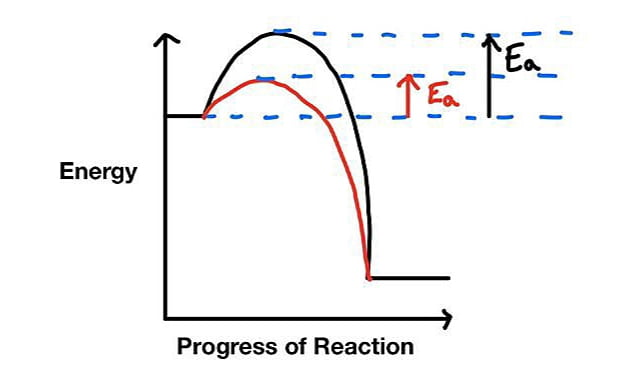
Rate of a Chemical reaction :- Some reactions such as ionic reactions occurs very fast , for example – precipitation
Rate of a Chemical Reaction and Collision Theory Read Post »
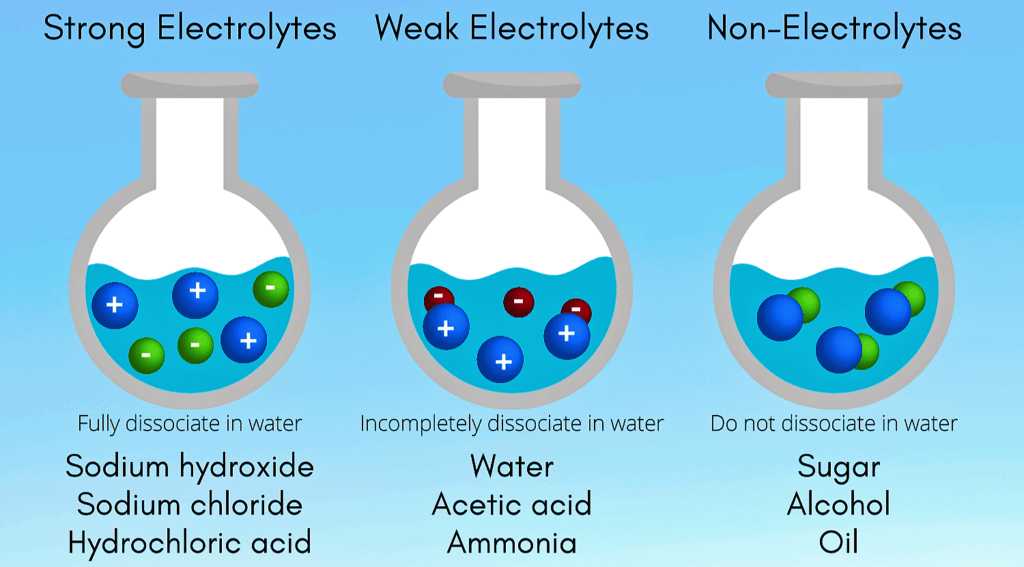
Electrolytes :- Electrolytes are substances that produce an electrically conducting solution when dissolved in a polar solvent , such as
Electrolytes , Electolytic Cell and Electrochemical Cell Read Post »
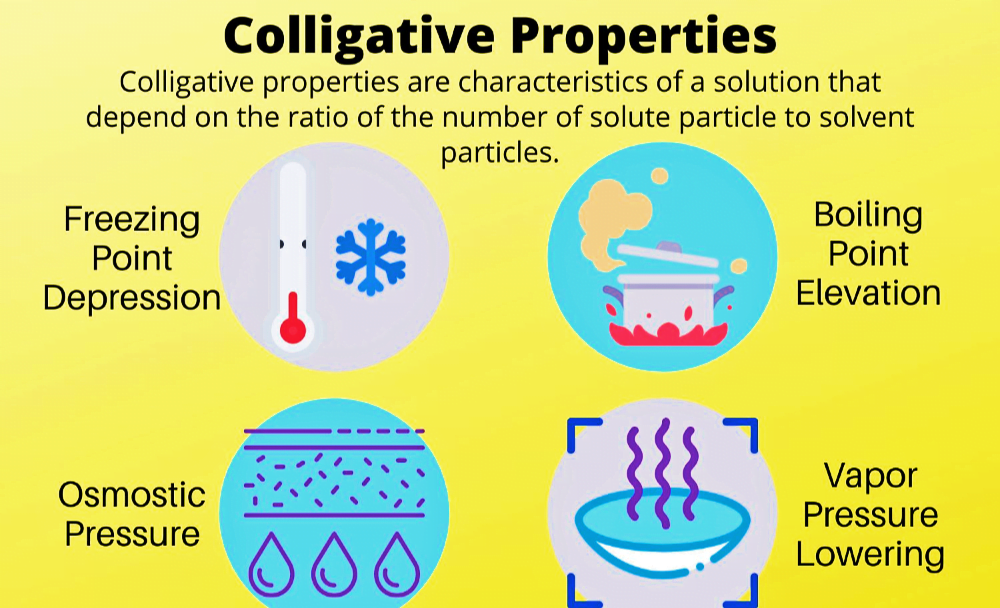
Colligative Properties :- Colligative properties are properties of solutions that depends on the ratio of the number of solute particles
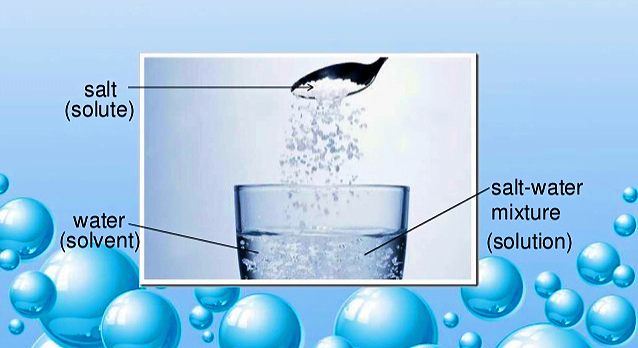
It is the homogeneous mixtures of two or more than two components . When the composition and properties are uniform
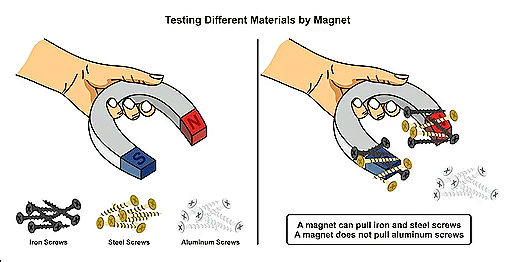
Magnetic properties of Crystals :- Each electron in an atom behaves like a magnet. It’s magnetic moment originates from two
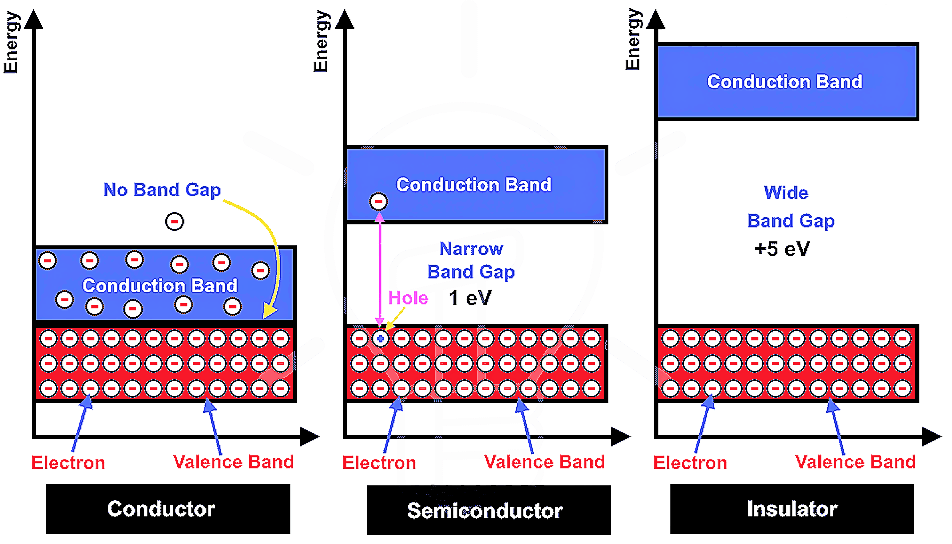
Conductors:- The solids with conductivities ranging between 10⁴ to 10⁷ ohm⁻¹ m⁻¹ are called conductors. Examples. – Metals like Iron,
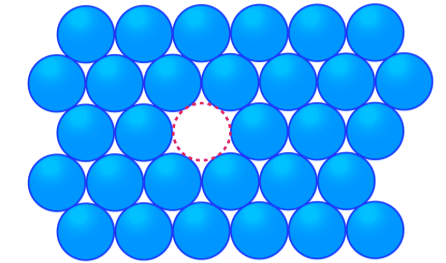
A solid consists of an aggregation of large number of small crystals, these small crystals have defects in them which
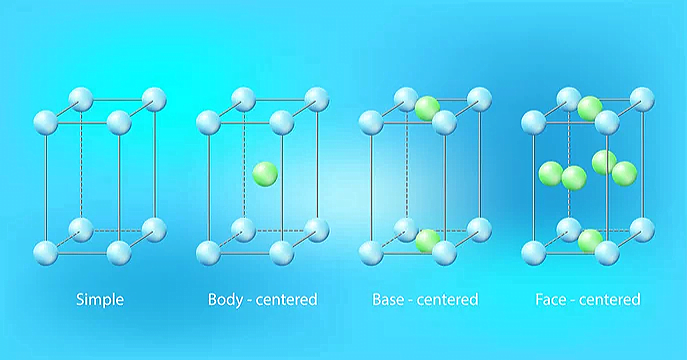
Atomic radius :- Thus, the edge length or side of the cube a and the atomic radius of each particle
Atomic radius, Packing fraction and Empty space in the Close Packing Read Post »
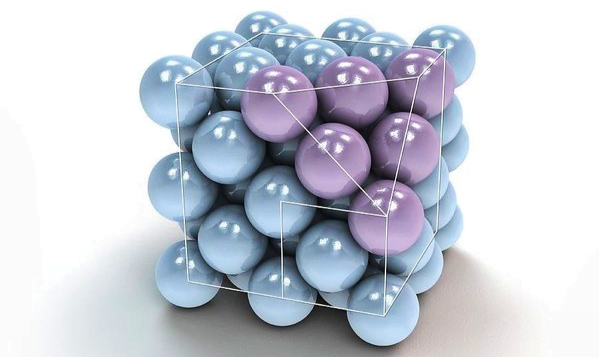
In Crystals, the constituent particles are close packed and leaving the minimum vacant space. In such a situation, the entropy