Physics

Electronics Basics How a Transistor Works Random Nerd Tutorials
Electronics

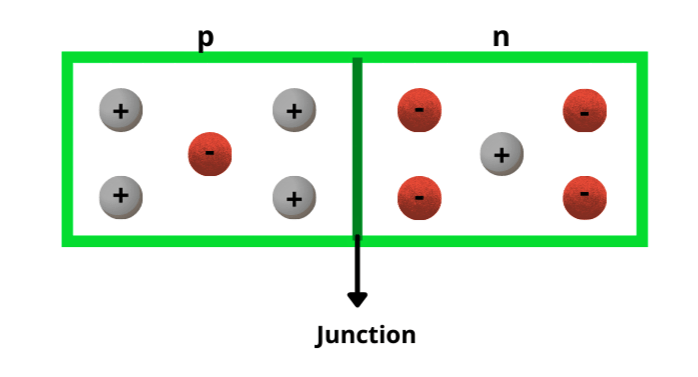
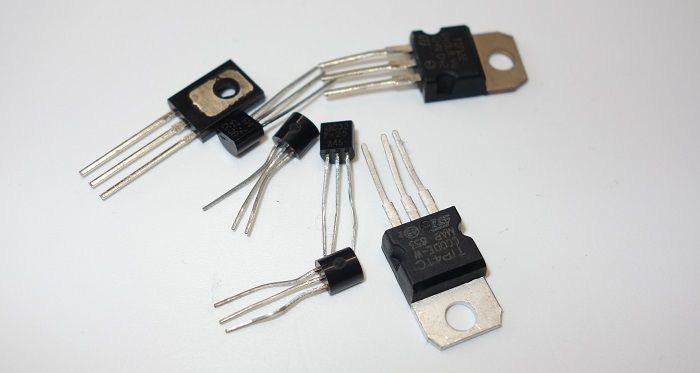
What is Transistor? Types of Transistor, Working of N-P-N and P-N-P Transistors

What is Transistor? Answer :- Transistor is a semiconductor device that can both conduct and insulate. A transistor can act as a switch and an amplifier. It converts audio waves into electronic waves and resistor. Controlling electronic current. Types of Transistor :- There are two types of Transistor – (1) N-P-N transistor. (2) P-N-P transistor. […]

What is Transistor? Types of Transistor, Working of N-P-N and P-N-P Transistors Read Post »

GettyImages 1002107858 crop 1422561
Radioactivity

Nuclear Fusion

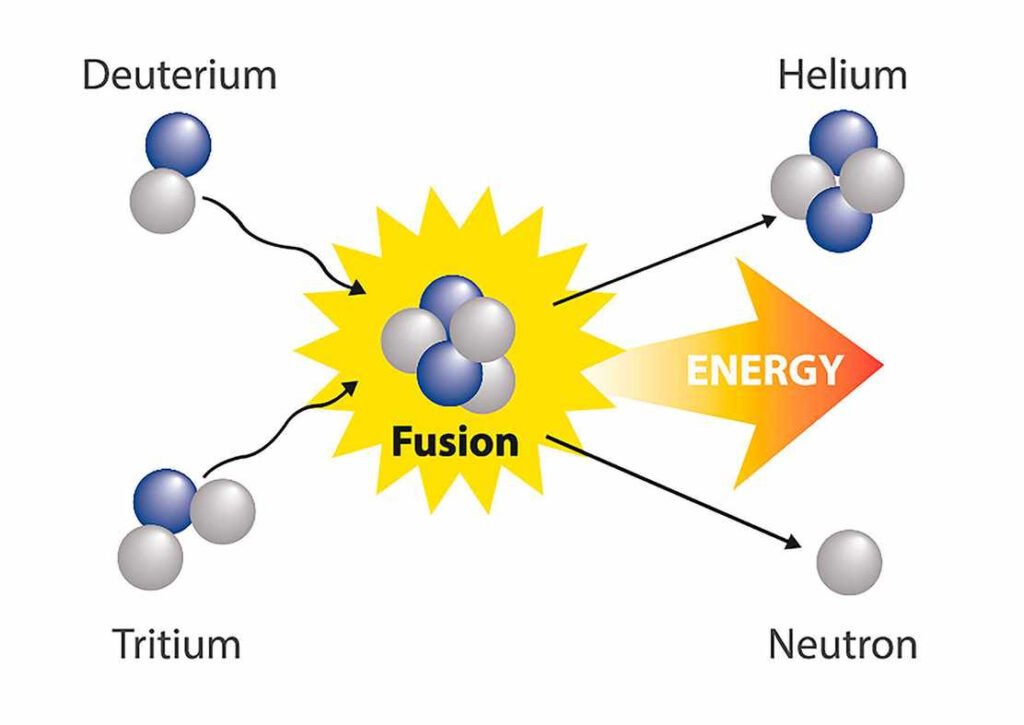
Nuclear Fusion :- It is a nuclear process in which two light (small) nuclei fuse to form a larger nucleus, energy is released. Examples :- ₁H¹ + ₁H¹ → ₁H² + e⁺ + v + 0·42 MeV ₁H² + ₁H² → ₂He³ + n + 3·27 MeV ₁H² + ₁H² → ₁H³ + ₁H¹ +

Nuclear Fusion Read Post »

Whats the difference between nuclear fission and fusion
Radioactivity

Nuclear Fission

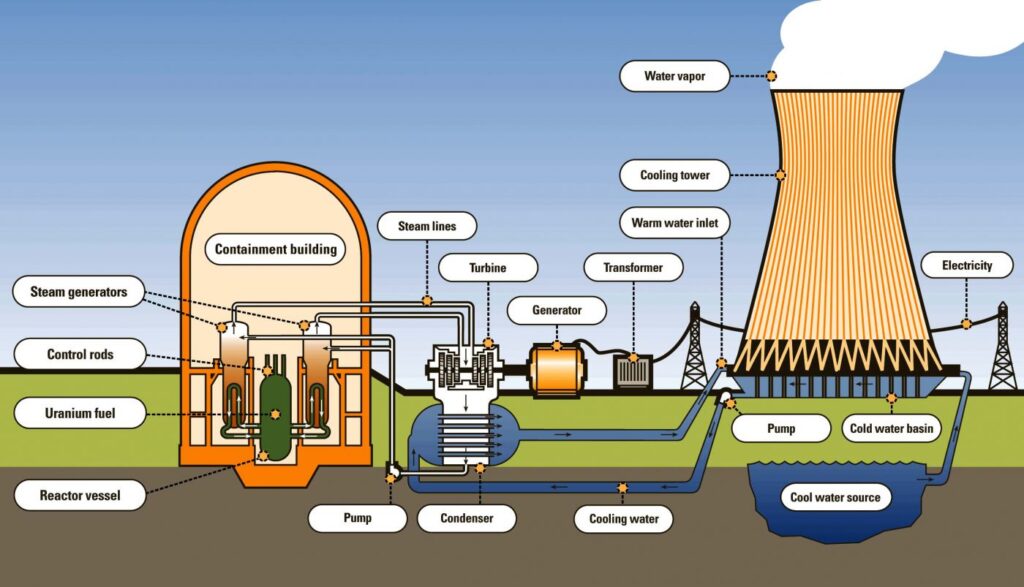
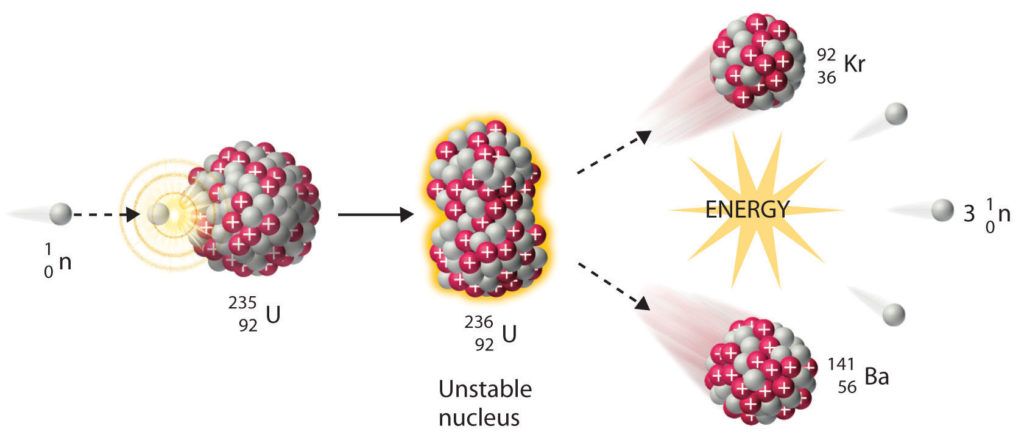
Nuclear Fission :- Nuclear Fission is a reaction wherein a heavy nucleus is bombarded by neutrons and thus become unstable, which causes decompose or split into two nuclei with equivalent size and magnitude, with a great detachment of energy and the emission of two or three neutrons. Example :- Isotope ₉₂U²³⁵ bombarded with a neutron

Nuclear Fission Read Post »

IMG 20221225 213141
Radioactivity

Radioactivity and Law of Radioactive Decay

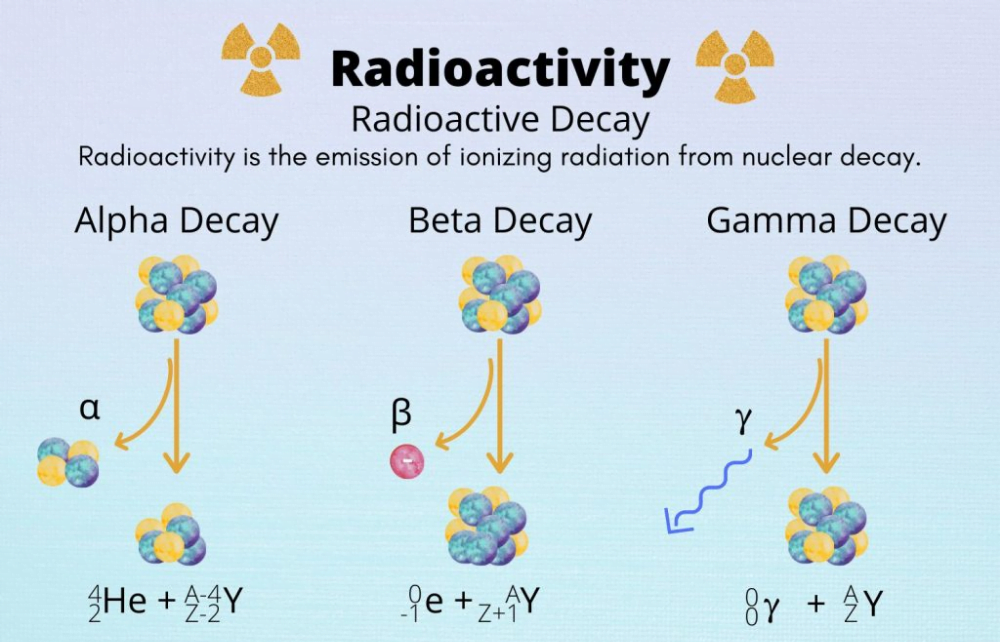
Radioactivity :- Henry Becquerel discovered radioactivity in 1896 by accident. Experiments performed subsequently showed that radioactivity was a nuclear phenomenon in which an unstable nucleus undergoes a decay. Becquerel studying the fluorescence and phosphorescence of compounds irradiated with visible light, the observed an interesting phenomenon. After illuminating some pieces of uranium-potassium sulphate with visible light

Radioactivity and Law of Radioactive Decay Read Post »

Scroll to Top